
Meet the World’s First Triple-Wavelength Skin Resurfacing Laser
Improving your skin can start to feel like an endless cycle of treatments, with procedures that help with one concern but leave other issues untouched. HALO TRIBRID laser skin resurfacing technology makes it easier to target several skin concerns in one treatment, so you can enjoy a refreshed appearance with fewer appointments and less downtime. Learn more about HALO TRIBRID below.
What Is the HALO TRIBRID Laser?
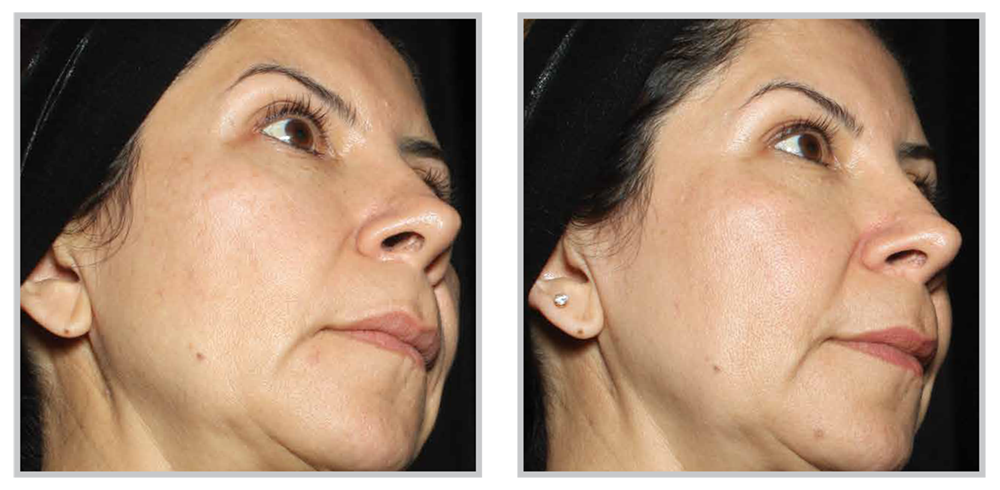
 HALO TRIBRID is a fractional laser skin resurfacing treatment that combines three independently controlled wavelengths into one award-winning system. Instead of treating only the skin’s surface or working on deeper tissue, it targets several depths during a single appointment. This allows patients to address multiple skin concerns at once.
How It Works
The HALO TRIBRID works by combining three powerful laser wavelengths into one:
2940 nm Wavelength
At a wavelength of 2940 nanometers, this part of the laser removes tiny amounts of damaged skin at the surface. This helps improve the texture of the skin and reduces the appearance of any fine lines on the face or other body parts.
1927 nm Wavelength
Next, the non-ablative 1927 nanometer wavelength treats the layer below the surface layer of the skin. This particular wavelength may help remove pigmented areas of the skin and brighten its appearance.
1470 nm Wavelength
The 1470 nanometer wavelength penetrates into the skin more deeply to trigger the natural rejuvenation process of the body. This aspect of the therapy aims at issues such as scarring and poor skin texture in an effort to treat signs of aging below the skin’s surface.
What It Treats
- Fine lines and wrinkles
- Sun damage
- Age spots and sun spots
- Hyperpigmentation
- Uneven skin tone
- Pigmented lesions
- Rough or uneven skin texture
- Enlarged pores
- Acne scars
- Other visible scars
- Post-acne skin texture
- Dull skin
- Early signs of aging
What to Expect
First, your skin will be cleaned and numbed with a topical cream to make sure you remain comfortable throughout the procedure. Then, Dr. Roche or one of our highly trained laser medical professionals will pass the HALO TRIBRID applicator over the designated treatment area several times according to the predetermined treatment plan based on your specific needs.
As your treatment is being administered, you may experience a warming or tingling feeling as the laser makes contact with your skin. However, the laser handpiece features an air-cooling mechanism that helps regulate this heat and reduce discomfort. The duration of your treatment is dependent on the size of the treated area and your specific settings.
Right after that, your skin may appear reddish or feel hot or tight. In the days following, your skin might also feel dry or look darker. This happens when very small pieces of treated skin, known as MENDs, come up to the surface. They eventually peel off and your new skin will be revealed. Dr. Roche and her team of medical esthetic experts will discuss how to care for your skin after the procedure and tell you which skin care products are safe to use.
Revive Your Skin with HALO at the Elizabeth Roche M.D. MedSpa in New Jersey
If you want skin that is smoother and more radiant without the need for multiple procedures, then HALO TRIBRID laser skin resurfacing could be right for you. At Elizabeth Roche M.D. MedSpa, we tailor our treatments to meet your individual needs and help you feel like your best self. Contact us by calling (201) 505-1020 or click below to schedule online.
Frequently Asked Questions
Are there any side effects with HALO Sciton treatment?
Though the HALO TRIBRID laser is usually well tolerated by patients, some mild side effects may arise due to the interaction of the laser with your skin and the start of the healing process. Typical side effects that are expected are redness and swelling especially around the eye area.
These will typically subside on their own in a few days’ time.
More severe adverse reactions are very rare but may involve discoloration, infection, irritation, and scarring. Dr. Roche and her team will discuss potential risks and answer any questions prior to your treatment.
How much downtime will there be after treatment?
The average patient can expect between 7 to 10 days of downtime to recover from the HALO TRIBRID procedure. However, the actual time frame may be impacted by the level of your treatment and the rate at which your skin heals. Some patients prefer to plan their treatment around social events or special occasions leaving at least 2 weeks to heal prior to their event.
How many treatments will I need?
The majority of people see a noticeable difference in the quality and appearance of their skin after their first treatment with HALO TRIBRID. How many individual sessions you will need to achieve your goals depends on your concerns and desired outcome. Many patients only need one to two treatments per year.
Is there anyone who shouldn’t receive this treatment?
HALO TRIBRID is approved for all skin types but there may be certain individuals for whom the treatment is not recommended. In general, you should avoid laser skin resurfacing if you are pregnant, have an active infection at the treatment site, have taken isotretinoin, have keloid scarring, or are diagnosed with any health conditions that impact wound healing.
Various medications and light sensitivity should also be taken into consideration. At the time of your consultation, Dr. Roche will discuss with you what medications you take and your overall health to determine if HALO TRIBRID treatment is right for you.
How do I take care of my skin after treatment?
During the healing process, your skin requires gentle care. You should use the recommended cleanser and moisturizer by Dr. Roche until your skin sheds naturally. Do not peel off any flakes of skin, since this could result in scarring.
Sun protection after the HALO TRIBRID procedure is also very important. Using a sun screen right after your treatment and avoiding direct sun exposure for at least 2 weeks is very important for healing and optimum results. Dr. Roche may advise you to continue avoiding direct sunlight depending on your needs.